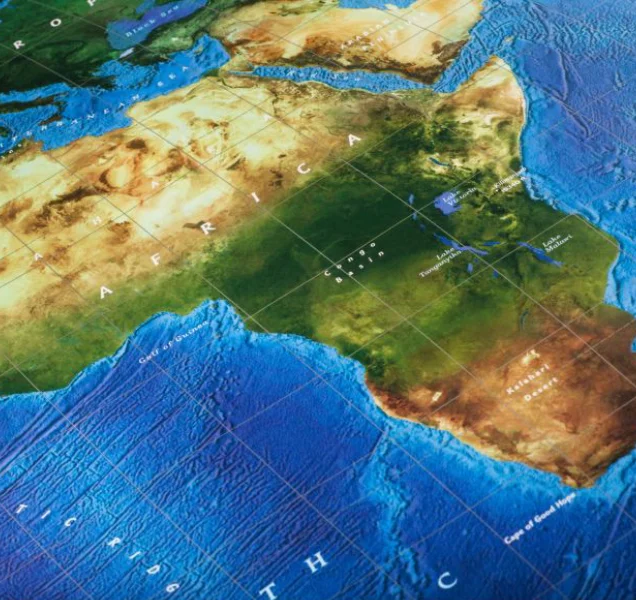
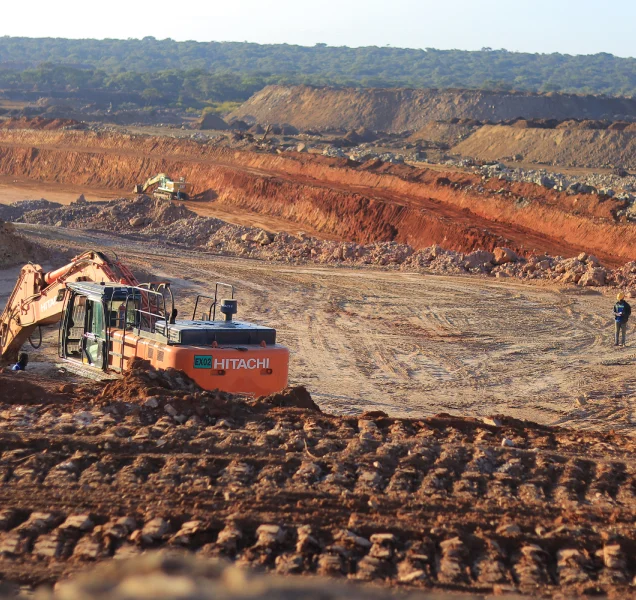
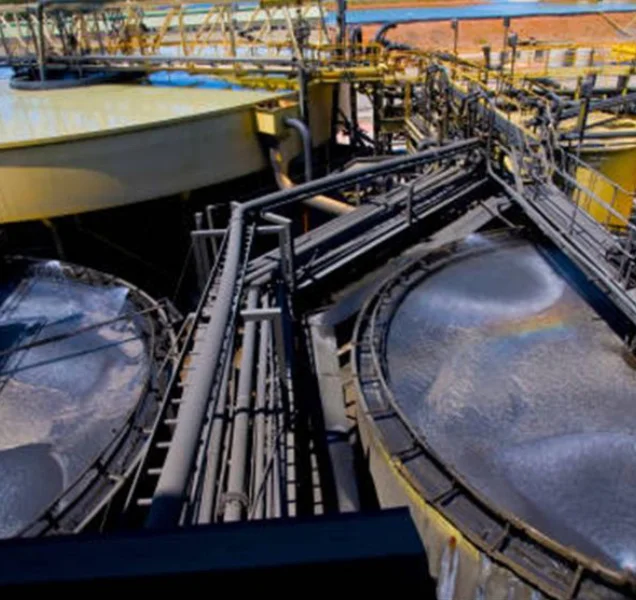
In African geography, the hashtagCopperbelt refers to the region rich in copper resources whose mining and related industries have driven significant economic development. It represents the largest concentration of industrial activity in sub‑Saharan Africa outside South Africa.
Stretching roughly 280 miles (about 450 km) northwestward from Luanshya in Zambia into the Katanga region, formerly known as Shaba, in the Democratic Republic of the Congo (DRC), the belt reaches a maximum width of approximately 160 miles (260 km). The area holds over ten percent of the world’s known copper reserves, primarily within Late Precambrian sedimentary formations. These deposits are mainly found in ore zones that reflect ancient hilltop, beach, and near‑shore environmental conditions.
Beyond hashtagcopper, the belt also contains high concentrations of hashtagcobalt, a metal essential to rechargeable batteries used in electric vehicles and energy storage systems. The hashtagDRC produces a substantial share of the world’s cobalt, accounting for over 70 % of global production and holding nearly half of known global reserves.
Beyond direct economic impacts, ongoing regional infrastructure initiatives like the Lobito Corridor aim to reduce transit times and lower export costs, enhancing competitiveness and expanding trade opportunities. These developments promise secondary benefits, such as boosted agriculture, manufacturing, and logistics sectors, contributing to broader economic diversification.
Looking ahead, the African Copper Belts represent a powerful engine of growth and global supply relevance, with positive implications for employment, trade, and technological progress, reinforcing Africa’s role in a hashtagsustainable and electrified global future.