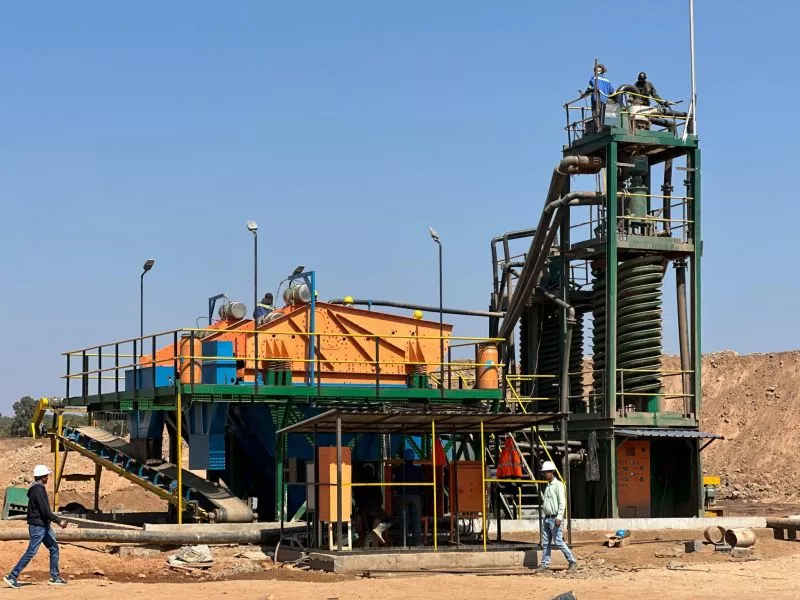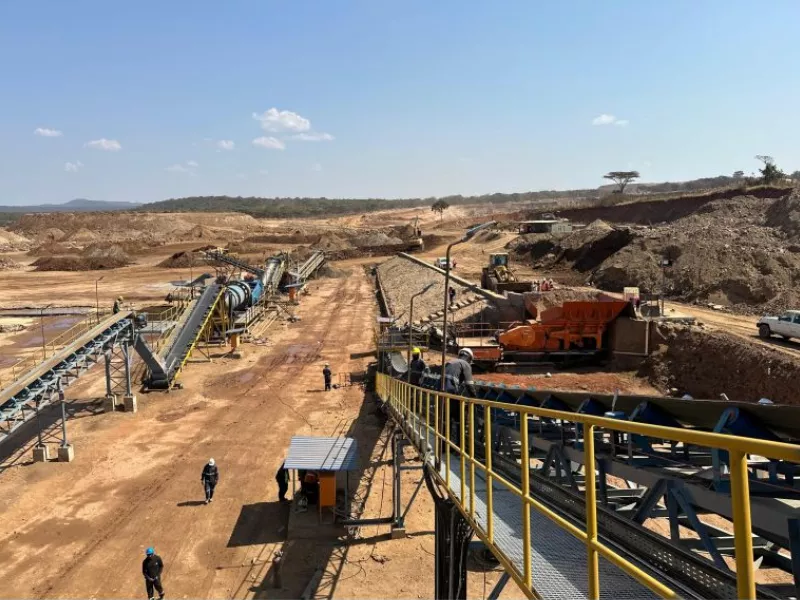

Nickel extraction begins with mining two primary ore types: sulfide ores and laterite ores, each requiring distinct processing routes. Sulfide deposits, commonly found in deeper geological formations, are typically extracted through underground or open-pit mining. The ore is crushed and ground, followed by froth flotation, a process that concentrates nickel-bearing minerals by selectively separating them from waste rock (gangue). The resulting concentrate is then smelted to produce a matte, which undergoes converting and refining to yield high-purity nickel. Electrorefining is often used at this stage to produce nickel cathodes suitable for battery and alloy applications.
Laterite ores, which account for a significant share of global nickel resources, are generally processed using either pyrometallurgical or hydrometallurgical methods. The High Pressure Acid Leach (HPAL) process is widely adopted for refining limonite laterites, where nickel is leached under high temperature and pressure using sulfuric acid. The dissolved nickel is subsequently recovered and refined into mixed hydroxide precipitate (MHP) or mixed sulfide precipitate (MSP), key intermediates for battery-grade nickel.