In the world of hashtagmineral processing, few techniques are as deceptively simple and scientifically elegant, as hashtagfrothflotation. Developed in the early 20th century and refined through decades of metallurgical research, froth flotation remains one of the most important methods for separating valuable minerals from ore. Institutions such as the U.S. Geological Survey and the Society for Mining, Metallurgy & Exploration have extensively documented its role in modern hashtagmining.
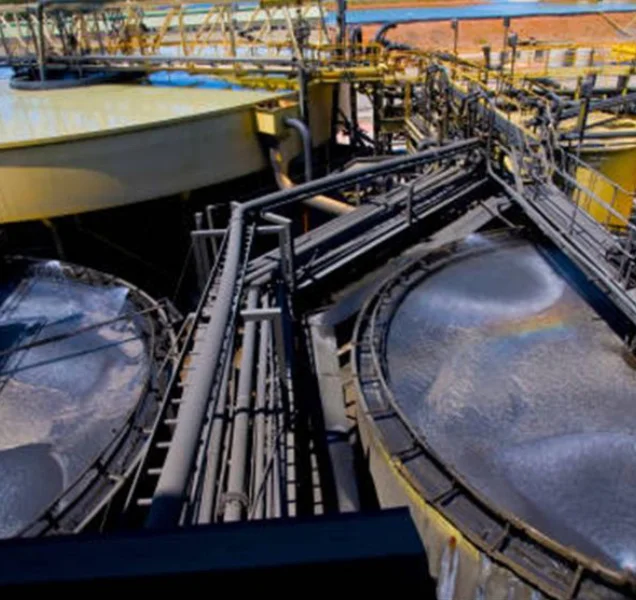
At its core, froth flotation is a physico-chemical, surface-chemistry-based unit operation that isolates valuable, fine hashtagmineral particles (typically <0.5 mm) from waste gangue by altering their interfacial properties, primarily hydrophobicity (water-repellency). When air is pumped through the slurry, hashtagbubbles form. Hydrophobic mineral particles attach themselves to these bubbles and rise to the surface, forming a froth layer. The unwanted material, known as hashtaggangue, remains in the water below.
This process is particularly critical in the recovery of copper, lead, zinc, nickel, and other sulfide minerals. Flotation performance is strongly influenced by particle size distribution, pulp chemistry (including pH control), reagent type and dosage, air dispersion, and hydrodynamic conditions within the flotation cell. Even small variations in these parameters can significantly affect mineral recovery, selectivity, and final concentrate grade.
What makes froth flotation remarkable is its precision. By fine-tuning chemical conditions, operators can separate minerals that appear nearly identical to the naked eye. In an industry built on extracting value from complex geological formations, bubbles, guided by chemistry - do the heavy lifting.