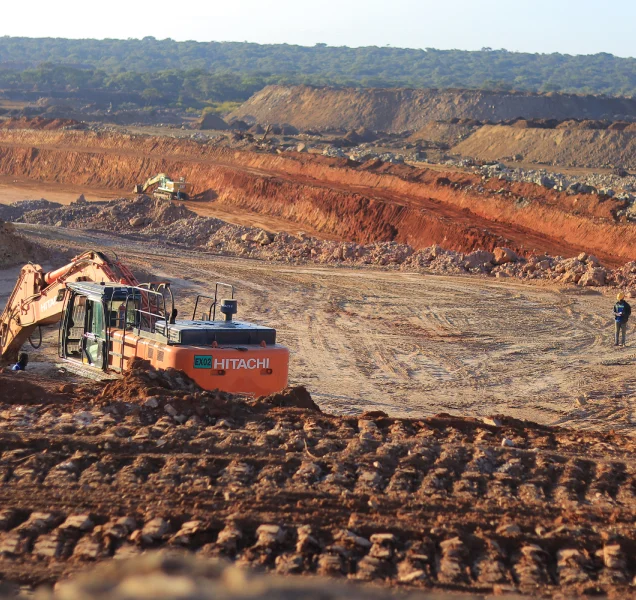
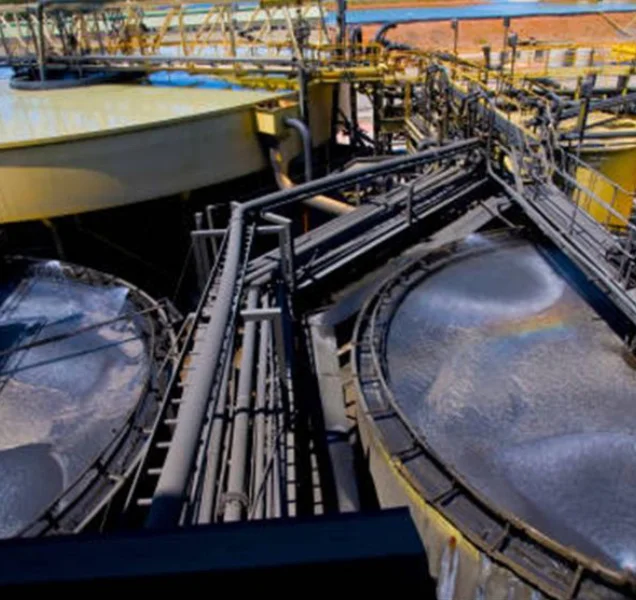
Far from the gleam of finished metal, the journey of an hashtagore truly begins only after it is pulled from the earth, emerging as a rough mix of valuable hashtagminerals and a much larger amount of waste rock known as gangue. The very first step after extraction is mineral processing or beneficiation, a set of physical and chemical operations designed to separate and concentrate the valuable minerals from the waste. This typically begins with crushing and grinding the rock into much smaller pieces so that individual mineral grains are liberated from the surrounding material, and then uses methods like gravity separation, magnetic separation, and flotation to produce a concentrate, a material in which the proportion of the desired mineral is significantly higher than in the original ore. These steps are critical because they directly affect how effectively the metal can be recovered later in subsequent processes.
After a concentrated form of the ore is obtained, the next major phase is extractive hashtagmetallurgy, which involves turning that concentrate into a metallic form. Extractive metallurgy includes a range of chemical and thermal techniques, often categorized as hashtagpyrometallurgy, hashtaghydrometallurgy, and hashtagelectrometallurgy. In pyrometallurgy, high temperatures are used to transform and reduce metal compounds, for example through roasting to oxidize sulfides or smelting to melt and separate metals from impurities. Alternatively, hydrometallurgical methods involve dissolving metals into solutions and then recovering them through processes such as leaching and electrowinning, which can be especially effective for low-grade ores. These metallurgical processes convert the chemical forms of the minerals and strip away unwanted elements so that the metal can be isolated.
Even after metal has been separated from its ore, it is typically impure and not yet suitable for industrial use. The final stage, therefore, is hashtagrefining, which removes trace impurities to achieve the high levels of purity required for different applications. Refining techniques vary depending on the metal and desired quality but include methods such as electrolytic refining, which uses electrical currents to deposit purer metal onto electrodes, and chemical or thermal treatments that eliminate contamination. Throughout all these stages from crushing and beneficiation to extraction and refining, the management of waste products like tailings and slags, as well as environmental considerations, is an essential part of modern mining operations.